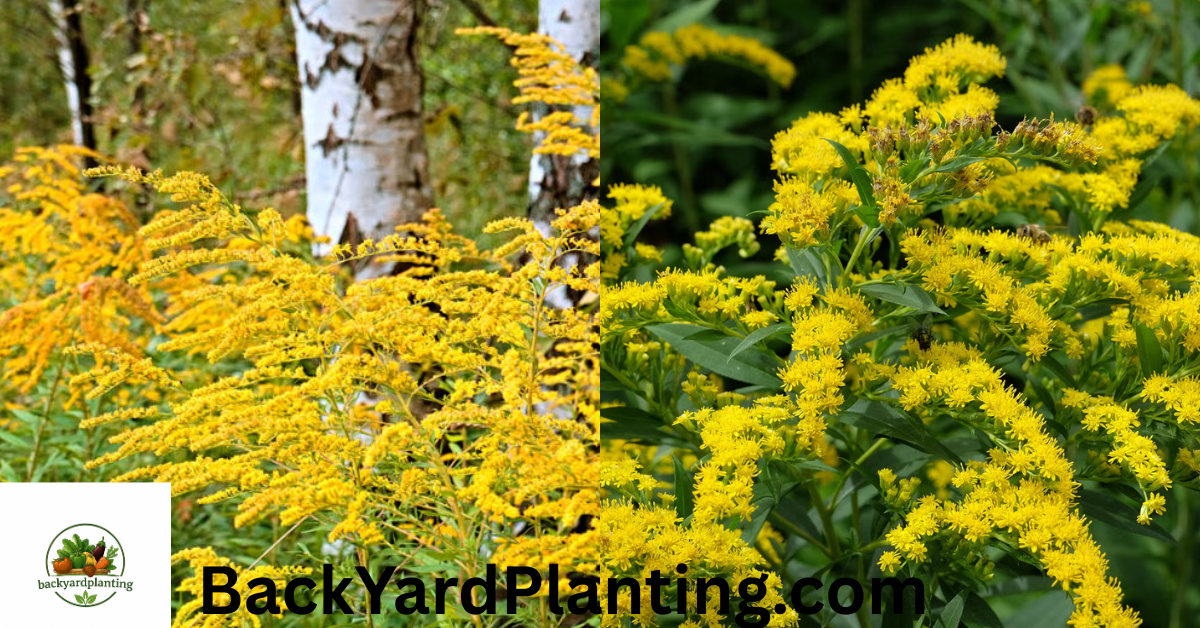
Goldenrod is one of the most recognizable late-summer and fall wildflowers. Its golden yellow blooms brighten fields, roadsides, gardens, and open meadows. But many plants can look similar at first glance. Some are harmless native wildflowers. Some are weeds. A few can be toxic to livestock or irritating to people.
This guide explains the most common Goldenrod Look Alikes, how to tell them apart, and what details you should check before touching, cutting, or planting them.
What Is Goldenrod?
Goldenrod belongs to the Solidago group of plants. It is known for its upright stems, narrow green leaves, and bright yellow flower clusters. It often blooms from late summer into fall, when many other wildflowers begin to fade.
Goldenrod is important for pollinators. Bees, butterflies, flies, and other insects visit its flowers for nectar and pollen. This is one reason gardeners often keep native goldenrod in natural landscapes.
A common misunderstanding is that goldenrod causes strong seasonal allergies. In many cases, ragweed is the real problem. Goldenrod pollen is heavier and usually carried by insects. Ragweed pollen is lighter and travels through the air more easily.
Why Goldenrod Is Often Confused With Other Plants
Goldenrod grows in the same places as many other yellow wildflowers. You may see it near roadsides, field edges, ditches, meadows, pastures, and sunny garden borders.
The confusion usually happens because many plants share these features:
- Yellow flowers
- Tall upright stems
- Late-summer or fall blooming season
- Wild growth in open sunny areas
- Similar roadside or meadow habitats
The key is not to identify the plant by color alone. Flower shape, leaf shape, stem texture, plant height, and growth pattern all matter.
Goldenrod Look Alikes You Should Know
Several plants are commonly mistaken for goldenrod. Some look similar because they bloom at the same time. Others share the same yellow color but have very different flower shapes.
The most common Goldenrod Look Alikes include:
- Ragweed
- Tansy ragwort
- Common tansy
- Yellow crownbeard
- Tickseed sunflower
- Sneezeweed
- St. John’s wort
- Yellow loosestrife
- Wild mustard
- Canada goldenrod look-alike species within the same family
Some of these plants are close relatives. Others only look similar from a distance. The safest way to identify them is to look closely at the flowers and leaves.
Goldenrod vs Ragweed
Ragweed is the plant most often confused with goldenrod. They bloom at a similar time and often grow in the same places. But once you know what to look for, the difference is clear.
Goldenrod has bright yellow flowers that appear in showy clusters. The flower heads are easy to see from a distance. The leaves are usually narrow, simple, and arranged along the stem.
Ragweed looks much less colorful. Its flowers are small, greenish, and not showy. They often appear as thin spikes. Ragweed leaves are usually more divided or fern-like, depending on the species.
The biggest difference is pollen. Goldenrod attracts insects. Ragweed releases pollen into the wind. That is why ragweed is more often linked with fall allergy symptoms.
Goldenrod vs Tansy Ragwort
Tansy ragwort is another yellow-flowered plant that can be mistaken for goldenrod, especially from a distance. It often grows in disturbed soil, roadsides, fields, and pastures.
The flowers are the easiest clue. Goldenrod has many tiny yellow flowers grouped into plume-like or branching clusters. Tansy ragwort has daisy-like yellow flowers with clear petals around the center.
The leaves also differ. Tansy ragwort leaves are deeply cut and look more divided. Goldenrod leaves are usually simpler and narrower.
Tansy ragwort deserves careful attention because it can be toxic to livestock. If you find it in a pasture or hay field, do not treat it like a harmless wildflower.
Goldenrod vs Common Tansy
Common tansy is another plant with bright yellow flowers. It can look similar to goldenrod when growing in large patches.
The flower shape is the main difference. Common tansy has round, button-like yellow flower heads. They look like small yellow discs without obvious petals. Goldenrod flowers are smaller and gathered into soft, feathery clusters.
Common tansy leaves are also more fern-like and strongly divided. Goldenrod leaves are simpler and less feathery.
Common tansy can spread aggressively in some areas. It is not the same as goldenrod, and it should not be planted casually without checking local guidance.
Other Yellow Wildflowers That Look Like Goldenrod
Not every yellow wildflower near a field is goldenrod. Many plants share the same color but have different structures.
Yellow crownbeard has yellow flowers that look more like small sunflowers. It often has rough leaves and a different flower head shape.
Tickseed sunflower also has yellow, daisy-like flowers. It may grow in wet areas and has wider petals than goldenrod.
Sneezeweed has yellow flowers with rounded centers and drooping petals. It looks more like a garden daisy than a goldenrod plume.
St. John’s wort has smaller yellow flowers with five clear petals. It usually has a more delicate shape and does not form the same tall golden sprays.
Wild mustard has four-petaled yellow flowers and a different growth habit. It is usually easier to identify by its seed pods and leaf shape.
How to Identify True Goldenrod
To identify true goldenrod, check the full plant instead of only the flower color.
Look for these signs:
- Bright yellow flower clusters
- Many tiny flowers grouped together
- Narrow green leaves
- Upright stems
- Pollinators visiting the flowers
- Blooming in late summer or fall
- Growth in sunny open spaces
Goldenrod flower clusters can vary by species. Some have arching plumes. Some are more upright. Some are compact. Still, most goldenrods have small yellow flowers packed closely together rather than large daisy-like blooms.
A simple rule helps: if the plant has big yellow petals like a daisy, it is probably not goldenrod.
Safety Tips Before Handling Goldenrod Look Alikes
Do not pull, eat, dry, or use any wild plant until you identify it with confidence. Some Goldenrod Look Alikes can be irritating, invasive, or toxic to animals.
Use these safety tips:
- Wear gloves when handling unknown plants.
- Avoid touching your face after handling wildflowers.
- Do not feed wild plants to livestock.
- Do not use unknown plants for tea or herbal remedies.
- Take clear photos of leaves, flowers, stems, and the full plant.
- Compare more than one feature before deciding.
- Check local extension or native plant resources if unsure.
Plant identification is not about guessing. It is about observing details.
Are Goldenrod Look Alikes Bad for Your Garden?
Not always. Some look-alikes are valuable native plants. Others may spread too fast or cause problems in managed landscapes.
Goldenrod itself can be useful in pollinator gardens. It brings late-season color and supports insects when fewer flowers are blooming.
Ragweed is usually unwanted in gardens because it spreads easily and produces wind-borne pollen. Tansy ragwort and common tansy may also be unwanted depending on your area, especially near pastures.
Before removing a plant, identify it first. You may be looking at a useful native flower, not a weed.
FAQs About Goldenrod Look Alikes
1. What plant is most commonly mistaken for goldenrod?
Ragweed is the most common plant mistaken for goldenrod. Both bloom around the same time, but ragweed has small greenish flowers while goldenrod has bright yellow flower clusters.
2. Does goldenrod cause allergies?
Goldenrod is often blamed for fall allergies, but ragweed is usually the bigger cause. Goldenrod pollen is heavy and usually moved by insects. Ragweed pollen is light and wind-carried.
3. How can I tell goldenrod from tansy?
Look at the flowers. Goldenrod has clusters of many tiny yellow flowers. Common tansy has round button-like flowers. Tansy ragwort has daisy-like yellow flowers with visible petals.
4. Are all Goldenrod Look Alikes poisonous?
No. Many are harmless or even helpful to pollinators. But some, such as tansy ragwort, can be toxic to livestock. Always identify the plant before handling or removing it.
5. Should I remove goldenrod from my yard?
Not always. Goldenrod can be useful for pollinators and fall garden color. Remove it only if it spreads too much, grows in the wrong place, or if you confirm it is actually a harmful look-alike.
Conclusion
Goldenrod is easy to admire but not always easy to identify at first glance. Many yellow wildflowers bloom in the same season and habitat, which is why confusion is common.
The best way to separate goldenrod from its look-alikes is to study the details. Look at the flower shape, leaf form, pollen behavior, and full growth pattern. Goldenrod usually has bright yellow clusters, narrow leaves, and many insect visitors. Ragweed, tansy, and other similar plants have different flowers, leaves, and safety concerns.
When in doubt, do not guess. Take photos, compare features, and use trusted local plant guides. Correct identification helps you protect your garden, support pollinators, and avoid removing the wrong plant.
Leave a Reply