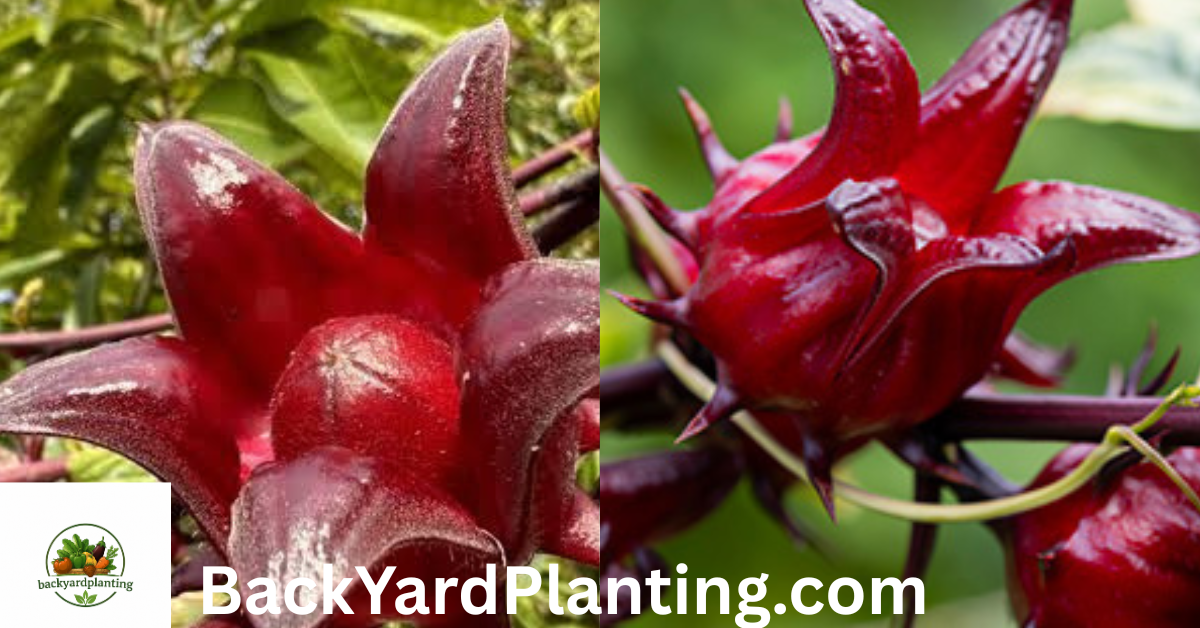
Have you ever heard of a fruit called Florida cranberry and assumed it was related to the traditional cranberries found in grocery stores? You’re not alone. Despite its name, Florida cranberry is not a true cranberry at all.
This fascinating plant is actually Roselle (Hibiscus sabdariffa), a member of the hibiscus family known for its vibrant red calyces, tart flavor, and impressive health benefits. It has become increasingly popular among home gardeners because it’s easy to grow, beautiful to look at, and useful in a wide range of recipes.
Whether you’re planning to grow Florida cranberry in your garden or simply want to learn more about this unique plant, this guide covers everything you need to know.
What Is Florida Cranberry?
Florida cranberry is a tropical and subtropical plant grown primarily for its bright red calyces, which surround the seed pods. These fleshy red parts are harvested and used to make teas, jams, jellies, syrups, and sauces.
Although its tart flavor resembles that of traditional cranberries, Florida cranberry belongs to an entirely different plant family.
Did You Know?
Florida cranberry is commonly known as Roselle, Jamaican Sorrel, and Red Sorrel in different parts of the world. It has been cultivated for centuries for both culinary and medicinal purposes.
Key Characteristics of Florida Cranberry
- Member of the hibiscus family
- Produces bright red edible calyces
- Thrives in warm climates
- Grows quickly during the growing season
- Can reach 5 to 8 feet tall
- Popular in beverages and preserves
Why Is Florida Cranberry Becoming So Popular?
It’s easy to understand why gardeners and food enthusiasts are paying more attention to Florida cranberry.
Unlike many fruit-producing plants that require years before harvesting, Florida cranberry grows quickly and can provide a rewarding harvest within a single season.
Beautiful Addition to Any Garden
One of the biggest reasons people grow Florida cranberry is its ornamental value.
The plant features:
- Deep green foliage
- Attractive hibiscus-like flowers
- Bright red calyces that stand out in the landscape
Even if you never harvest the fruit, the plant adds beauty and color to your garden.
Versatile in the Kitchen
Wondering what you can do with Florida cranberry after harvesting?
The possibilities are surprisingly extensive.
Popular Uses of Florida Cranberry
- Herbal teas
- Homemade jams and jellies
- Tart sauces
- Refreshing cold drinks
- Syrups
- Desserts
- Fruit concentrates
Its unique tart flavor makes it a favorite ingredient for both sweet and savory recipes.
Florida Cranberry vs Traditional Cranberry
Many people assume the two plants are closely related, but they are actually quite different.
| Feature | Florida Cranberry | Traditional Cranberry |
| Scientific Name | Hibiscus sabdariffa | Vaccinium macrocarpon |
| Plant Type | Hibiscus relative | Berry shrub |
| Climate | Warm regions | Cool regions |
| Main Harvest | Red calyces | Berries |
| Growth Habit | Tall shrub-like plant | Low-growing vine |
| Growing Difficulty | Easy | Moderate |
For gardeners in warmer climates, Florida cranberry is often the easier option.
How to Grow Florida Cranberry
Growing Florida cranberry is relatively simple when the plant receives the right conditions.
Choose a Sunny Location
Florida cranberry loves sunshine.
For best results:
- Provide 6 to 8 hours of direct sunlight daily.
- Select a location with good airflow.
- Avoid heavily shaded areas.
Plants grown in full sun generally produce more flowers and larger harvests.
Soil Requirements
Healthy soil is the foundation of a successful harvest.
Florida cranberry grows best in:
- Well-drained soil
- Organic-rich growing media
- Slightly acidic to neutral soil
Adding compost before planting can significantly improve plant growth.
Starting Florida Cranberry From Seed
Most gardeners grow Florida cranberry from seed.
Planting Steps
- Wait until the danger of frost has passed.
- Plant seeds about ½ inch deep.
- Space plants 3 to 4 feet apart.
- Keep the soil consistently moist.
Under warm conditions, seeds usually germinate within one to three weeks.
Caring for Florida Cranberry Plants
Once established, Florida cranberry requires relatively little maintenance.
Watering Requirements
Although somewhat drought-tolerant, regular watering encourages healthier growth.
Watering Tips
- Water deeply once or twice per week.
- Allow the top layer of soil to dry slightly between watering sessions.
- Increase watering during extremely hot weather.
Avoid overwatering, as soggy soil can lead to root problems.
Fertilizing for Better Harvests
Regular feeding helps support flowering and calyx production.
Use:
- Compost
- Organic fertilizers
- Balanced plant food
Apply fertilizer every four to six weeks during active growth.
Expert Tip
Too much nitrogen fertilizer can encourage leafy growth while reducing flower production. Use a balanced fertilizer and avoid overfeeding.
Pruning and Maintenance
Pruning helps improve plant health and appearance.
Remove:
- Dead stems
- Damaged branches
- Weak growth
This improves airflow and reduces the risk of pest problems.
Common Florida Cranberry Problems and Solutions
Even healthy plants can occasionally experience issues.
| Problem | Possible Cause | Solution |
| Yellow Leaves | Overwatering | Reduce watering frequency |
| Poor Flowering | Insufficient sunlight | Move to a sunnier location |
| Slow Growth | Nutrient deficiency | Add compost or fertilizer |
| Aphids | Pest infestation | Use insecticidal soap |
| Leaf Damage | Whiteflies or mites | Inspect and treat early |
Regular monitoring helps prevent minor issues from becoming major problems.
Harvesting Florida Cranberry
Harvesting is often the most exciting part of growing Florida cranberry.
When Is It Ready to Harvest?
The calyces are typically ready:
- Four to six weeks after flowering
- When they become thick and fleshy
- When they develop a deep red color
Harvesting at the right time ensures the best flavor.
How to Harvest Florida Cranberry
- Use clean pruning shears.
- Cut the calyces from the stem.
- Remove the seed pod from the center.
Fresh calyces can be used immediately or dried for future use.
Did You Know?
Many gardeners believe dried Florida cranberry calyces produce a richer and more concentrated flavor when used in tea.
Health Benefits of Florida Cranberry
Florida cranberry is valued not only for its flavor but also for its nutritional content.
Rich in Antioxidants
The bright red color comes from beneficial plant compounds that act as antioxidants.
Contains Important Nutrients
Florida cranberry provides:
- Vitamin C
- Iron
- Calcium
- Natural plant compounds
These nutrients contribute to its popularity as a health-focused beverage ingredient.
Popular Herbal Tea Ingredient
Roselle tea is enjoyed throughout the world because of its refreshing taste and vibrant red color.
It can be served hot during cooler months or iced during summer.
Expert Tips for Growing Florida Cranberry Successfully
Want a larger and healthier harvest?
Follow these proven tips:
- Plant in full sun.
- Add compost before planting.
- Use mulch to retain soil moisture.
- Water consistently during flowering.
- Harvest regularly.
- Check plants weekly for pests.
- Avoid excessive nitrogen fertilizer.
These simple practices can significantly improve growth and productivity.
Frequently Asked Questions
Is Florida cranberry the same as regular cranberry?
No. Florida cranberry is Roselle (Hibiscus sabdariffa), while traditional cranberries belong to an entirely different plant family.
Can Florida cranberry grow in containers?
Yes. Large containers with good drainage can successfully support Florida cranberry plants.
How long does Florida cranberry take to mature?
Most plants reach maturity within 5 to 7 months after planting.
What does Florida cranberry taste like?
It has a tart, fruity flavor similar to traditional cranberries, making it ideal for beverages, jams, and sauces.
Is Florida cranberry a perennial plant?
In tropical regions, it may behave as a perennial. In cooler climates, it is generally grown as an annual.
Conclusion
Florida cranberry is a unique plant that combines beauty, productivity, and versatility. Its bright red calyces, tart flavor, and easy-growing nature make it an excellent choice for gardeners and food enthusiasts alike.
Whether you want to make homemade herbal tea, create delicious jams, or simply add an eye-catching plant to your landscape, Florida cranberry offers plenty of rewards. With proper care, sunlight, and well-drained soil, you can enjoy a healthy harvest and discover why this tropical favorite continues to grow in popularity around the world.
Leave a Reply