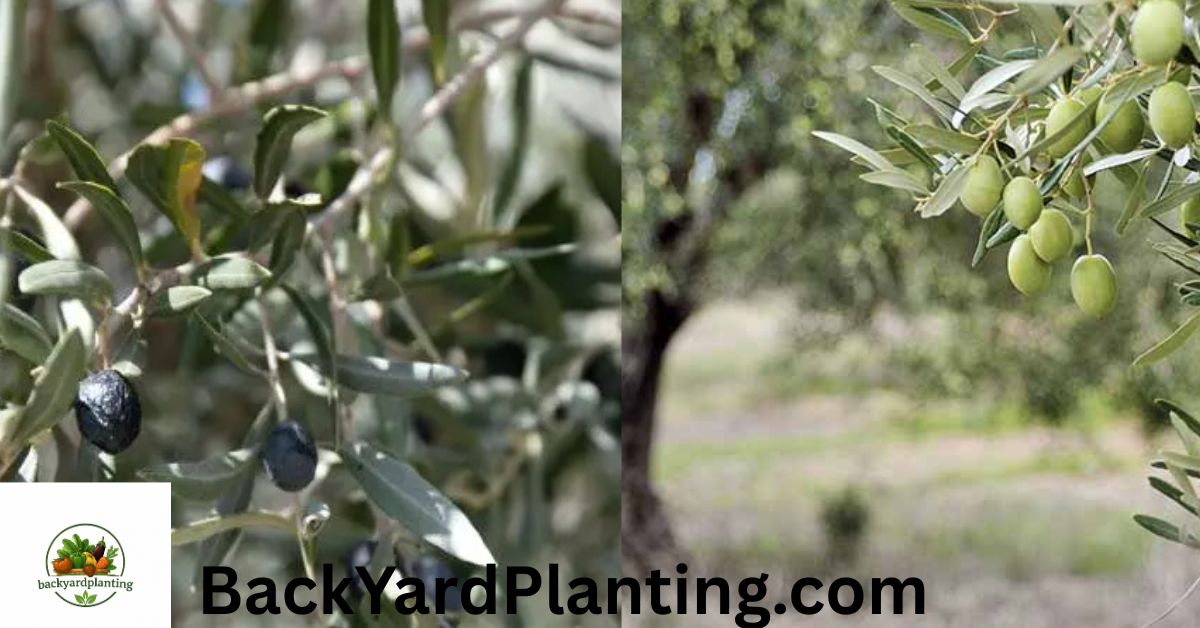
If you’ve noticed leaves dropping from your olive tree, you may be wondering: do olive trees lose their leaves? The sight of fallen leaves can be alarming, especially if you’re worried that your tree is unhealthy or dying.
The good news is that some leaf loss is completely normal. Olive trees are evergreen trees, which means they keep their foliage year-round. However, that doesn’t mean they never shed leaves. Like all plants, olive trees naturally replace older leaves with new growth over time.
In this guide, you’ll learn why olive trees lose leaves, when leaf drop is normal, signs of potential problems, and practical tips to keep your olive tree healthy.
Quick Answer
Do olive trees lose their leaves? Yes, olive trees naturally lose some leaves throughout the year as part of their growth cycle. Since olive trees are evergreen, they do not shed all their leaves at once like deciduous trees. However, excessive leaf loss may indicate stress caused by watering issues, temperature extremes, pests, diseases, or environmental changes.
Are Olive Trees Evergreen or Deciduous?
Olive trees are classified as evergreen trees.
Unlike deciduous trees that lose all their leaves during fall and winter, olive trees maintain foliage throughout the year. Their silvery-green leaves can remain on the tree for several years before being replaced.
This evergreen nature is one reason olive trees are popular in landscapes and gardens.
What Evergreen Really Means
Being evergreen does not mean leaves stay on the tree forever.
Instead, olive trees:
- Continuously replace old leaves
- Produce new growth each season
- Drop aging leaves naturally
- Maintain a full canopy year-round
Because of this cycle, occasional leaf drop is perfectly normal.
Why Do Olive Trees Lose Their Leaves?
There are several reasons olive trees may shed leaves.
Some are natural, while others may require attention.
Natural Leaf Replacement
The most common reason for leaf drop is the tree’s natural growth process.
Olive leaves typically live for two to three years before falling.
As older leaves age, the tree redirects energy toward producing fresh growth.
Signs of natural leaf drop include:
- Small amounts of leaf loss
- Healthy green new growth
- No visible damage to branches
- Consistent overall tree appearance
If these conditions are present, there is usually no reason for concern.
Watering Problems
Watering mistakes are among the most common causes of excessive leaf loss.
Overwatering
Olive trees dislike constantly wet soil.
Too much water can:
- Suffocate roots
- Cause root rot
- Trigger yellowing leaves
- Lead to significant leaf drop
Underwatering
While olive trees are drought tolerant, prolonged dryness can also cause stress.
Signs of underwatering include:
- Dry soil
- Curled leaves
- Crispy leaf edges
- Increased leaf shedding
Practical Tip
Water deeply but allow the soil to dry slightly between waterings. Good drainage is essential for healthy olive trees.
Temperature Stress
Olive trees thrive in warm Mediterranean-like climates.
Extreme temperatures can cause leaf loss.
Cold Damage
Sudden freezes may result in:
- Leaf drop
- Browning foliage
- Damaged branches
Young olive trees are particularly vulnerable to cold weather.
Heat Stress
Prolonged heat waves combined with insufficient water may also trigger leaf shedding.
Practical Tip
Protect young trees during winter and provide extra water during periods of extreme heat.
Transplant Shock
Have you recently moved or planted your olive tree?
Transplant shock is a common reason for temporary leaf loss.
When roots are disturbed, the tree may shed leaves while adjusting to its new environment.
Symptoms often include:
- Drooping leaves
- Mild leaf drop
- Slower growth
Most healthy olive trees recover within a few weeks or months.
Lack of Sunlight
Olive trees are sun-loving plants.
They typically require:
- At least 6 to 8 hours of direct sunlight daily
- Good airflow
- Open growing conditions
Insufficient sunlight can weaken the tree and contribute to leaf drop.
Practical Tip
Choose the sunniest location available when planting an olive tree.
Pests and Diseases
Sometimes leaf loss can indicate a pest or disease problem.
Common Olive Tree Pests
Watch for:
- Scale insects
- Aphids
- Spider mites
These pests feed on plant sap and may weaken the tree over time.
Common Diseases
Some diseases that affect olive trees include:
- Root rot
- Peacock spot
- Fungal infections
Symptoms may include:
- Spotted leaves
- Yellowing foliage
- Premature leaf drop
Regular inspection helps catch problems early.
How to Tell if Leaf Loss Is Normal or a Problem
Not all leaf drop is cause for concern.
Use this simple guide.
Normal Leaf Loss
- A few leaves falling regularly
- Healthy new growth present
- Tree appears vigorous
- No major discoloration
Problematic Leaf Loss
- Large numbers of leaves dropping suddenly
- Yellow or brown foliage
- Branch dieback
- Signs of pests or disease
- Weak overall growth
If multiple symptoms occur together, further investigation may be needed.
My Experience Growing Olive Trees
Over the years, I’ve noticed that olive trees often worry new gardeners because they occasionally shed leaves even when perfectly healthy.
In my experience, seasonal leaf drop is common, especially after periods of active growth. One olive tree in a container lost a noticeable number of older leaves during spring, yet quickly produced fresh foliage and remained healthy throughout the growing season.
The biggest issues I’ve encountered were related to watering. Once drainage improved, leaf loss decreased significantly and growth became much stronger.
This highlights the importance of monitoring soil moisture rather than watering on a fixed schedule.
Tips to Keep Olive Trees Healthy
Follow these simple practices to minimize unnecessary leaf loss.
Provide Proper Drainage
Olive trees dislike soggy soil.
- Use well-draining soil
- Avoid waterlogged locations
- Ensure containers have drainage holes
Water Correctly
- Water deeply
- Allow slight drying between waterings
- Adjust watering based on weather conditions
Ensure Full Sun
Plant olive trees where they receive abundant sunlight throughout the day.
Monitor for Pests
Inspect leaves regularly for:
- Sticky residue
- Tiny insects
- Webbing
- Leaf discoloration
Early treatment prevents larger problems.
Avoid Overfertilizing
Too much fertilizer can stress olive trees and affect healthy growth.
Use balanced fertilizers according to label recommendations.
Frequently Asked Questions
Do olive trees lose all their leaves in winter?
No. Olive trees are evergreen and do not lose all their leaves during winter like deciduous trees.
Is it normal for olive trees to drop leaves?
Yes. Olive trees naturally shed older leaves throughout the year as part of their normal growth cycle.
Why is my potted olive tree losing leaves?
Common causes include overwatering, underwatering, insufficient sunlight, temperature stress, or transplant shock.
How often should I water an olive tree?
Watering frequency depends on climate, soil, and container size. Allow the soil to dry slightly between waterings while avoiding prolonged drought.
Can an olive tree recover after losing leaves?
In many cases, yes. If the cause is identified and corrected, olive trees often recover and produce new growth.
Conclusion
So, do olive trees lose their leaves? Yes, they do, but not in the same way deciduous trees do. As evergreen trees, olive trees naturally replace older leaves throughout the year while maintaining their attractive foliage.
Occasional leaf drop is completely normal. However, excessive leaf loss can signal issues such as watering problems, temperature stress, pests, diseases, or lack of sunlight. By providing proper care, good drainage, adequate sunlight, and regular monitoring, you can keep your olive tree healthy, vigorous, and beautiful for years to come.
Leave a Reply