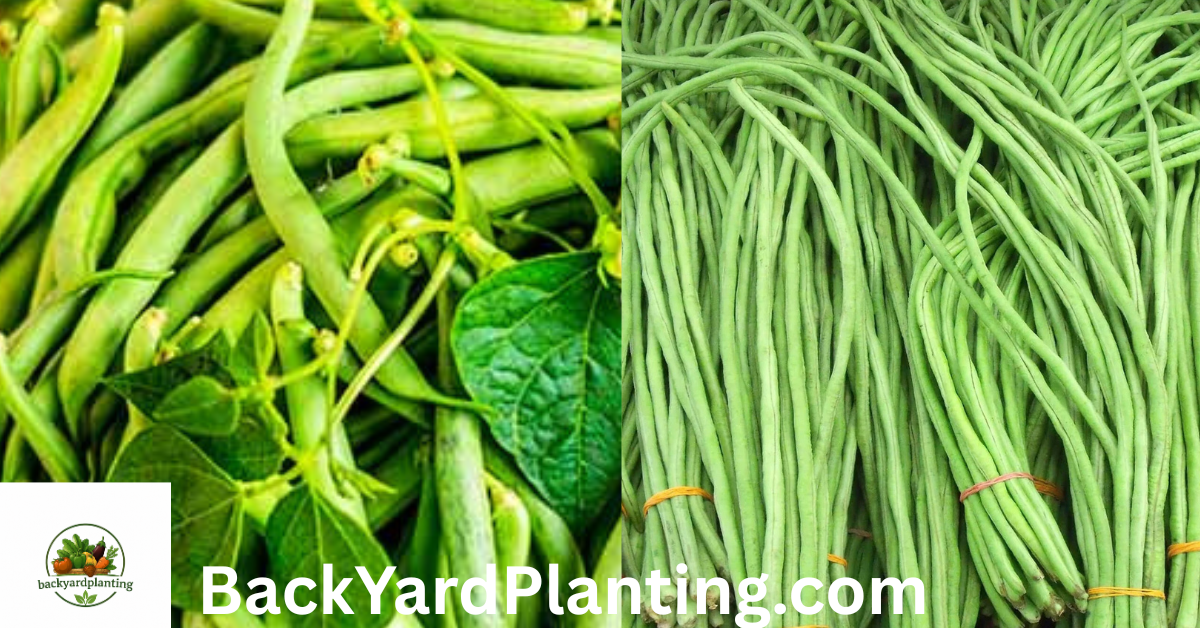
Have you noticed higher prices for beans at the grocery store or fewer options on store shelves? While it may seem like a minor issue, the growing bean shortage is becoming a serious concern in many parts of the world.
Beans are one of the most affordable and nutritious foods available. They provide protein, fiber, vitamins, and minerals to millions of people every day. From family dinners to plant-based food products, beans play an important role in global food systems.
When bean supplies become limited, the effects ripple through farms, food manufacturers, restaurants, and households. Understanding why a bean shortage happens and what can be done about it is becoming increasingly important.
Read More: Date Shortage
Why Is the Bean Shortage Happening Right Now?
The current bean shortage is not caused by a single factor. Instead, several challenges are putting pressure on global bean production and distribution.
Climate Change and Extreme Weather
Weather is one of the biggest threats to bean production.
In recent years, many farming regions have experienced:
- Severe droughts
- Heat waves
- Flooding
- Unpredictable rainfall
- Strong storms
Beans require stable growing conditions. When crops face prolonged drought or excessive rain, yields can decline dramatically.
Imagine a farmer expecting a successful harvest after months of hard work, only to lose a large portion of the crop because rainfall never arrived. This scenario has become increasingly common in many agricultural regions.
Crop Diseases and Pest Problems
Bean plants are vulnerable to a variety of diseases and pests.
Common threats include:
- Bean rust
- Root rot
- Bacterial blight
- Aphids
- Bean beetles
When outbreaks occur across multiple growing areas, farmers may lose significant portions of their harvest, reducing overall supply.
Supply Chain Disruptions
Even when enough beans are grown, getting them to consumers is not always easy.
Global supply chains continue to face challenges such as:
- Transportation delays
- Labor shortages
- Rising fuel costs
- Shipping bottlenecks
- Trade restrictions
As a result, beans may become harder to find despite healthy production levels in some regions.
Growing Demand for Plant-Based Foods
Demand for beans has increased significantly over the past decade.
More consumers are choosing:
- Vegetarian diets
- Vegan lifestyles
- Sustainable food options
- Affordable protein sources
As demand grows faster than production, shortages become more likely.
Did You Know?
Beans are among the world’s most affordable protein sources and can contain up to 25% protein, depending on the variety.
More than 90 countries grow beans, making them one of the most widely consumed food crops globally.
A bean shortage often affects low-income households the most because beans are a key source of affordable nutrition.
How the Bean Shortage Is Affecting Consumers and Farmers
The impact of a bean shortage extends far beyond grocery store shelves.
Higher Food Prices
One of the first signs of a bean shortage is rising prices.
Consumers may notice higher costs for:
- Dried beans
- Canned beans
- Frozen bean products
- Plant-based foods
- Soybean-based products
For families already managing tight budgets, these increases can be significant.
Food Security Challenges
Beans play an important role in food security because they are:
- Nutritious
- Affordable
- Easy to store
- Widely available under normal conditions
When supplies become limited, vulnerable communities may struggle to access healthy food options.
Pressure on Food Manufacturers
Many companies rely on beans as ingredients.
Products that may be affected include:
- Soups
- Ready-made meals
- Meat alternatives
- Snacks
- Protein products
Manufacturers often face higher production costs and supply shortages.
Financial Stress for Farmers
While rising prices may seem beneficial, many farmers experience crop losses during a bean shortage.
Challenges often include:
- Lower yields
- Higher operating costs
- Weather-related damage
- Increased pest management expenses
Expert Insight: Why Agricultural Specialists Are Concerned
Agricultural experts consistently point to climate variability as one of the biggest threats to future bean production.
Research has shown that rising temperatures and unpredictable rainfall patterns can reduce yields in key growing regions. Experts also emphasize the importance of developing climate-resilient bean varieties and improving water management systems.
These findings highlight why governments, researchers, and farmers are investing heavily in sustainable agricultural practices.
How Farmers Can Help Prevent Future Bean Shortages
Farmers are adopting new strategies to improve crop resilience and maintain production.
Improve Water Efficiency
Modern irrigation techniques help reduce water waste.
Popular methods include:
- Drip irrigation
- Rainwater collection
- Soil moisture monitoring
- Mulching
These practices help crops survive during dry conditions.
Plant Disease-Resistant Varieties
New bean varieties are being developed to resist common diseases and pests.
This can reduce crop losses and improve harvest reliability.
Practice Crop Rotation
Rotating crops improves soil health and helps control pests naturally.
Common rotation partners include:
- Corn
- Wheat
- Barley
- Sorghum
Use Sustainable Farming Practices
Long-term sustainability helps protect future harvests.
Examples include:
- Cover cropping
- Compost application
- Integrated pest management
- Conservation tillage
How to Protect Your Grocery Budget During a Bean Shortage
Consumers can take practical steps to reduce the impact of higher bean prices.
Buy Dried Beans Instead of Canned
Dried beans are often more affordable and have a longer shelf life.
Purchase During Sales
Stock up when prices are low and store beans properly.
Try Alternative Protein Sources
Consider options such as:
- Lentils
- Chickpeas
- Split peas
- Tofu
- Eggs
These foods offer similar nutritional benefits.
Reduce Food Waste
Simple habits can save money:
- Plan meals ahead of time
- Store food properly
- Freeze leftovers
- Use ingredients efficiently
What Does the Future Hold for Bean Supplies?
While concerns about the bean shortage are valid, there are reasons for optimism.
Agricultural researchers are working on:
- Climate-resistant bean varieties
- Better irrigation systems
- Improved pest control methods
- More sustainable farming techniques
Governments and food organizations are also investing in food security programs designed to strengthen agricultural supply chains.
Although temporary shortages may continue to occur, innovation and better farming practices can help create a more stable future for bean production.
Frequently Asked Questions
What is causing the current bean shortage?
The bean shortage is mainly driven by extreme weather, crop diseases, supply chain disruptions, and increasing global demand.
Which types of beans are most affected?
The impact varies by region, but black beans, kidney beans, pinto beans, soybeans, and green beans may all experience shortages.
Will bean prices continue to rise?
Prices depend on future harvests, weather conditions, and supply chain stability. Continued production challenges could keep prices elevated.
How can consumers prepare for a bean shortage?
Buying dried beans in bulk, reducing food waste, and exploring alternative protein sources can help manage costs.
Can climate change worsen bean shortages?
Yes. More frequent droughts, floods, and extreme weather events can reduce bean yields and increase the risk of future shortages.
Conclusion
The growing bean shortage is a reminder of how closely food production, weather patterns, and global supply chains are connected. From rising grocery prices to challenges for farmers and food manufacturers, the effects are being felt across the food system. Fortunately, advances in agriculture, sustainable farming practices, and informed consumer choices can help reduce the impact. As demand for nutritious and affordable protein continues to grow, ensuring a stable bean supply will remain an important priority for the future.
Leave a Reply