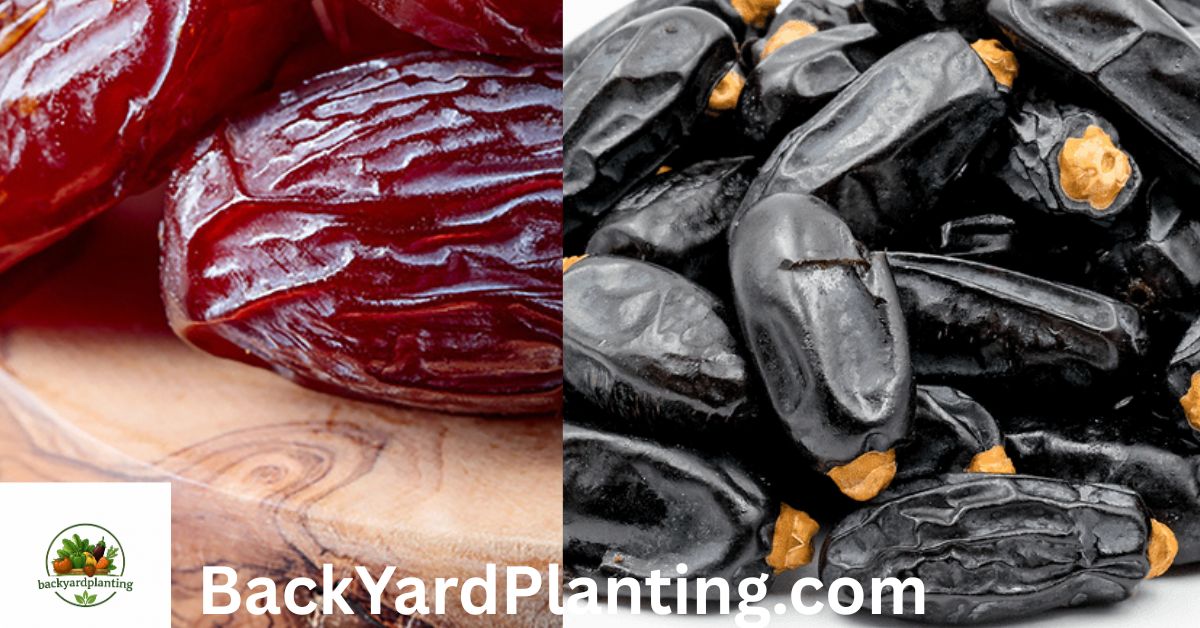
Dates are one of the world’s most important fruit crops, especially in regions with warm and arid climates. They are valued for their rich nutritional content, long shelf life, and cultural significance. However, in recent years, concerns about a date shortage have grown due to environmental, economic, and agricultural challenges.
A date shortage can affect consumers, businesses, farmers, and even national economies that rely heavily on date production and exports. Understanding the causes and consequences of this issue can help stakeholders prepare for future supply disruptions and support sustainable solutions.
Click In Link: Raspberries Shortage
What Is a Date Shortage?
A date shortage occurs when the supply of dates is unable to meet market demand. This imbalance can result in higher prices, reduced availability, and challenges for industries that depend on dates as a key ingredient.
Date shortages may be temporary or long-term, depending on the factors causing the decline in production or distribution.
Major Causes of Date Shortage
Several factors contribute to date shortages around the world.
1. Climate Change and Extreme Weather
Date palms thrive in specific environmental conditions. Changes in climate can significantly impact production.
Common climate-related issues include:
- Prolonged droughts
- Heatwaves
- Unexpected rainfall during harvest
- Sandstorms
- Water scarcity
These conditions can reduce fruit quality and lower overall yields.
2. Pest and Disease Outbreaks
Date palm trees are vulnerable to various pests and diseases.
Some major threats include:
- Red palm weevil infestations
- Fungal infections
- Root diseases
- Insect damage to fruits
Without proper management, these issues can destroy large portions of date plantations.
3. Water Resource Challenges
Date farming requires consistent access to water, especially in desert regions.
Water shortages may occur due to:
- Declining groundwater levels
- Reduced rainfall
- Competition from urban development
- Poor irrigation infrastructure
Limited water availability can directly affect date production.
4. Labor Shortages
Harvesting and maintaining date palms often requires skilled labor.
Factors contributing to labor shortages include:
- Migration of agricultural workers
- Rising labor costs
- Lack of trained workers
- Seasonal workforce limitations
When farms cannot access sufficient labor, productivity may decline.
5. Supply Chain Disruptions
Transportation and logistics problems can create artificial shortages even when production levels remain stable.
Examples include:
- Shipping delays
- Trade restrictions
- Port congestion
- Fuel cost increases
- Political instability
These disruptions can prevent dates from reaching markets on time.
How Date Shortages Affect Consumers
Consumers are often the first to notice the effects of a date shortage.
Rising Prices
When supply decreases and demand remains strong, prices usually increase.
Consumers may experience:
- Higher retail prices
- Reduced promotional offers
- Increased costs during festive seasons
Limited Product Availability
Certain date varieties may become difficult to find.
Popular varieties often affected include:
- Medjool dates
- Deglet Noor dates
- Ajwa dates
- Barhi dates
Retailers may limit stock or seek alternative suppliers.
Impact on Farmers and Businesses
A date shortage affects more than just shoppers.
Challenges for Farmers
Farmers may face:
- Lower harvest yields
- Reduced profits
- Increased production costs
- Greater financial risks
Many growers must invest more in irrigation, pest control, and crop protection.
Impact on Food Manufacturers
Many food companies use dates in products such as:
- Energy bars
- Smoothies
- Baked goods
- Healthy snacks
- Date syrups
A shortage can increase ingredient costs and reduce profit margins.
Regions Most Vulnerable to Date Shortages
Date production is concentrated in a limited number of countries.
Major producers include:
- Saudi Arabia
- Egypt
- Iran
- Algeria
- Iraq
- United Arab Emirates
- Pakistan
- Tunisia
When production declines in one or more of these regions, global markets can feel the effects quickly.
Practical Ways to Address Date Shortages
Reducing the impact of a date shortage requires coordinated efforts from governments, farmers, and businesses.
Improve Water Management
Efficient water use can help maintain production levels.
Strategies include:
- Drip irrigation systems
- Water recycling
- Soil moisture monitoring
- Rainwater harvesting
These methods can significantly reduce water waste.
Strengthen Pest Control Programs
Early detection and treatment are critical.
Recommended practices:
- Regular plantation inspections
- Integrated pest management
- Biological control methods
- Farmer education programs
Healthy trees produce higher-quality fruit and better yields.
Invest in Climate-Resilient Farming
Farmers can adopt techniques that improve resilience to changing weather conditions.
Examples include:
- Heat-tolerant date varieties
- Improved soil management
- Windbreak installations
- Smart irrigation technologies
These measures help protect crops from environmental stress.
Diversify Supply Sources
Businesses can reduce risk by sourcing dates from multiple regions.
Benefits include:
- Greater supply stability
- Reduced dependence on a single country
- Better protection against regional disruptions
Support Agricultural Research
Research institutions play an important role in improving date production.
Key research areas include:
- Disease-resistant date varieties
- Water-efficient farming techniques
- Sustainable cultivation methods
- Advanced harvesting technologies
Tips for Consumers During a Date Shortage
Consumers can take simple steps to manage rising prices and limited availability.
Buy in Bulk When Prices Are Stable
Purchasing larger quantities during periods of normal supply can help reduce future costs.
Store Dates Properly
To extend shelf life:
- Keep dates in airtight containers
- Store in a cool, dry place
- Refrigerate for long-term storage
Proper storage helps prevent spoilage.
Explore Alternative Varieties
If premium varieties become expensive, consider trying other types of dates that offer similar nutritional benefits.
Compare Retailers
Prices can vary significantly between:
- Local markets
- Supermarkets
- Online retailers
- Wholesale suppliers
Comparing options can help save money.
Frequently Asked Questions
What causes a date shortage?
A date shortage can result from climate change, droughts, pest infestations, water scarcity, labor shortages, and supply chain disruptions.
Does a date shortage increase prices?
Yes. When supply decreases while demand remains high, prices typically rise due to market pressure.
Which date varieties are most affected during shortages?
Popular varieties such as Medjool, Ajwa, and Deglet Noor dates often experience the greatest demand and may become harder to find.
Can date shortages be prevented?
While shortages cannot always be completely prevented, improved farming practices, efficient water management, pest control, and agricultural research can reduce their severity.
How can consumers prepare for a date shortage?
Consumers can buy dates when prices are stable, store them properly, compare retailers, and consider alternative date varieties.
Conclusion
A date shortage is a growing concern that can affect consumers, farmers, food manufacturers, and global markets. Climate change, water scarcity, pests, labor challenges, and supply chain disruptions are among the leading causes. While shortages can result in higher prices and reduced availability, proactive solutions such as sustainable farming practices, efficient water management, and agricultural innovation can help strengthen the industry’s resilience. By understanding the causes and adopting practical strategies, both businesses and consumers can better navigate future date supply challenges.
Click In Link: Peach Shortage
Leave a Reply