Introduction
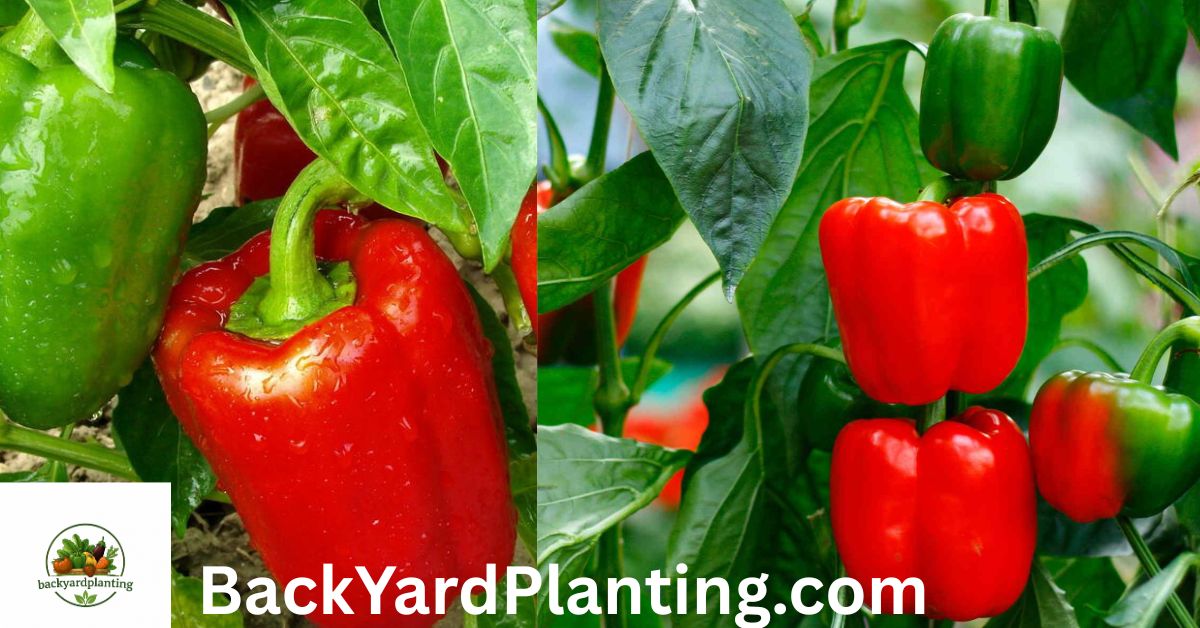
A bell pepper sprout marks the beginning of a productive pepper-growing journey. Whether you are growing peppers in a backyard garden, raised bed, greenhouse, or containers, understanding how a bell pepper sprout develops is essential for producing healthy plants and abundant harvests.
Bell peppers are among the most popular vegetables grown worldwide due to their sweet flavor, versatility, and nutritional value. However, successful cultivation starts long before the first pepper appears. The sprouting stage is one of the most critical phases in a pepper plant’s life cycle because young seedlings are vulnerable to environmental stress, pests, diseases, and improper care.
This guide covers everything you need to know about a bell pepper sprout, from germination and growth stages to transplanting, troubleshooting, and harvesting healthy peppers.
Quick Answer: A bell pepper sprout usually emerges within 7-21 days when soil temperatures remain between 75°F and 85°F. Proper moisture, warmth, and light are essential for healthy seedling development.
What Is a Bell Pepper Sprout?
A bell pepper sprout is the young seedling that emerges from a germinated bell pepper seed. It represents the first visible stage of plant growth after the seed absorbs moisture and begins developing roots and shoots.
When conditions are favorable, the seed coat breaks open and produces:
- A primary root (radicle)
- A small stem
- Seed leaves (cotyledons)
These initial structures help the seedling establish itself before true leaves begin to grow.
Characteristics of a Healthy Bell Pepper Sprout
A healthy sprout typically has:
- Bright green leaves
- A sturdy stem
- Upright growth
- No signs of yellowing or wilting
- Consistent leaf development
Strong seedlings often lead to more productive pepper plants later in the growing season.
Understanding Bell Pepper Seed Germination
Germination is the process through which a seed develops into a young plant. Bell pepper seeds require specific environmental conditions to sprout successfully.
Ideal Germination Conditions
For the best results:
- Soil temperature: 75°F to 85°F (24°C to 29°C)
- Moist but not waterlogged soil
- Good air circulation
- Adequate humidity
- Quality seeds
Bell pepper seeds generally germinate within 7 to 21 days depending on temperature and moisture levels.
Factors Affecting Germination
Several factors influence germination success:
- Seed quality
- Soil temperature
- Moisture levels
- Light exposure
- Seed age
Fresh seeds usually germinate faster and produce stronger sprouts than older seeds.
Stages of Bell Pepper Sprout Development
Understanding the growth stages helps gardeners provide proper care at each phase.
Stage 1: Seed Swelling
The seed absorbs water and activates internal growth processes.
Stage 2: Root Emergence
The primary root pushes through the seed coat and anchors the seedling.
Stage 3: Stem Growth
The stem emerges above the soil surface and lifts the seed leaves.
Stage 4: Cotyledon Development
Seed leaves open and begin capturing sunlight.
Stage 5: True Leaf Formation
The first true leaves appear and resemble mature pepper leaves.
This stage signals that the seedling is becoming more self-sufficient and actively photosynthesizing.
| Factor | Ideal Condition |
|---|---|
| Soil Temperature | 75-85°F |
| Germination Time | 7-21 Days |
| Sunlight | 6-8 Hours |
| Watering | Consistently Moist |
How to Plant Bell Pepper Seeds Successfully
Proper planting techniques increase the chances of obtaining healthy bell pepper sprouts.
Choose the Right Growing Medium
Use a lightweight seed-starting mix that offers:
- Good drainage
- Moisture retention
- Adequate aeration
Avoid heavy garden soil for indoor seed starting.
Planting Depth
Plant seeds approximately:
- ¼ inch deep (6 mm)
Planting too deep can delay germination or prevent emergence.
Spacing Guidelines
When sowing in trays:
- Leave 1 to 2 inches between seeds
- Thin overcrowded seedlings later
Proper spacing improves airflow and reduces disease risks.
Caring for a Bell Pepper Sprout
Young pepper seedlings require consistent care to develop into vigorous plants.
Watering Requirements
Keep the soil:
- Evenly moist
- Never soggy
- Never completely dry
Overwatering is one of the most common causes of seedling problems.
Lighting Needs
Bell pepper sprouts require substantial light after emergence.
Provide:
- 12 to 16 hours of light daily
- Grow lights positioned 2 to 4 inches above seedlings
- Bright sunny windows when available
Insufficient light often leads to weak, leggy growth.
Temperature Management
Ideal temperatures include:
- Daytime: 70°F to 80°F
- Nighttime: 65°F to 70°F
Stable temperatures encourage healthy development.
Common Problems Affecting Bell Pepper Sprouts
Even experienced gardeners encounter challenges during the seedling stage.
Leggy Seedlings
Symptoms:
- Thin stems
- Excessive height
- Weak growth
Causes:
- Insufficient light
- Overcrowding
- Excessive warmth
Damping-Off Disease
This fungal disease can quickly kill young sprouts.
Symptoms include:
- Stem collapse
- Sudden wilting
- Rotting near the soil line
Prevention methods:
- Sterile seed-starting mix
- Proper airflow
- Avoiding overwatering
Yellow Leaves
Possible causes:
- Nutrient deficiencies
- Water stress
- Poor drainage
- Temperature fluctuations
Identifying the cause early can save affected seedlings.
When and How to Transplant Bell Pepper Sprouts
Transplanting is an important step in growing mature pepper plants.
Signs Seedlings Are Ready
Bell pepper sprouts are usually ready when they have:
- 2 to 4 sets of true leaves
- Strong stems
- Well-developed root systems
Hardening Off
Before moving outdoors, seedlings should be hardened off gradually.
Steps include:
- Place outdoors for a few hours daily.
- Increase outdoor exposure over 7 to 10 days.
- Protect from strong wind and intense sunlight initially.
Hardening off reduces transplant shock significantly.
Proper Transplanting Technique
- Water seedlings beforehand.
- Handle by the leaves, not stems.
- Plant at the same depth as in containers.
- Water thoroughly after transplanting.
Nutritional Benefits of Bell Peppers
Growing a healthy bell pepper sprout eventually leads to nutrient-rich vegetables packed with health benefits.
Bell peppers contain:
- Vitamin C
- Vitamin A
- Vitamin B6
- Potassium
- Folate
- Antioxidants
Health Benefits
Regular consumption may support:
- Immune system function
- Eye health
- Skin health
- Heart health
- Overall wellness
Red bell peppers generally contain the highest concentration of vitamins and antioxidants.
Best Growing Conditions for Mature Pepper Plants
After the sprouting stage, peppers continue to thrive under proper conditions.
Sunlight Requirements
Bell peppers perform best with:
- 6 to 8 hours of direct sunlight daily
More sunlight typically results in better fruit production.
Soil Preferences
Ideal soil characteristics include:
- Well-draining texture
- Rich organic matter
- Slightly acidic to neutral pH
- Good fertility
Fertilization Tips
Use balanced fertilizers during vegetative growth and switch to formulations with higher phosphorus and potassium during flowering and fruiting.
Avoid excessive nitrogen, which may produce more leaves than peppers.
Harvesting Peppers From Healthy Bell Pepper Sprouts
The journey from a tiny bell pepper sprout to a productive plant can take several months.
Harvest Timing
Most bell peppers mature:
- 60 to 90 days after transplanting
Harvest timing depends on the variety and growing conditions.
Color Stages
Peppers may be harvested when:
- Green
- Yellow
- Orange
- Red
- Purple (depending on variety)
Allowing peppers to fully ripen often enhances sweetness and nutritional value.
Harvesting Tips
- Use clean pruning shears
- Avoid pulling fruits from plants
- Harvest regularly to encourage continued production
Frequently Asked Questions
1. How long does it take for a bell pepper sprout to emerge?
Bell pepper seeds typically sprout within 7 to 21 days. Warmer soil temperatures between 75°F and 85°F generally speed up germination.
2. Why is my bell pepper sprout growing tall and thin?
Tall, weak seedlings are usually caused by insufficient light. Providing stronger lighting or using grow lights can help develop sturdier stems.
3. How often should I water a bell pepper sprout?
Water when the top layer of soil begins to dry. Keep the soil consistently moist but avoid waterlogging, which can cause root problems.
4. Can I grow bell pepper sprouts indoors?
Yes. Bell pepper sprouts grow very well indoors when provided with sufficient light, warmth, and proper moisture levels.
5. When should I move bell pepper sprouts outside?
Transplant outdoors after the last frost date when temperatures remain consistently warm and seedlings have been properly hardened off.
Conclusion
A healthy bell pepper sprout is the foundation of a successful pepper harvest. By understanding germination requirements, proper seedling care, lighting needs, watering practices, and transplanting techniques, gardeners can significantly improve their chances of growing vigorous pepper plants.
The early stages of development may seem delicate, but with the right conditions, a tiny sprout can transform into a productive plant capable of yielding dozens of colorful, nutrient-rich peppers. Paying close attention to temperature, moisture, light, and disease prevention during the seedling phase will reward you with stronger plants and larger harvests throughout the growing season.
Leave a Reply