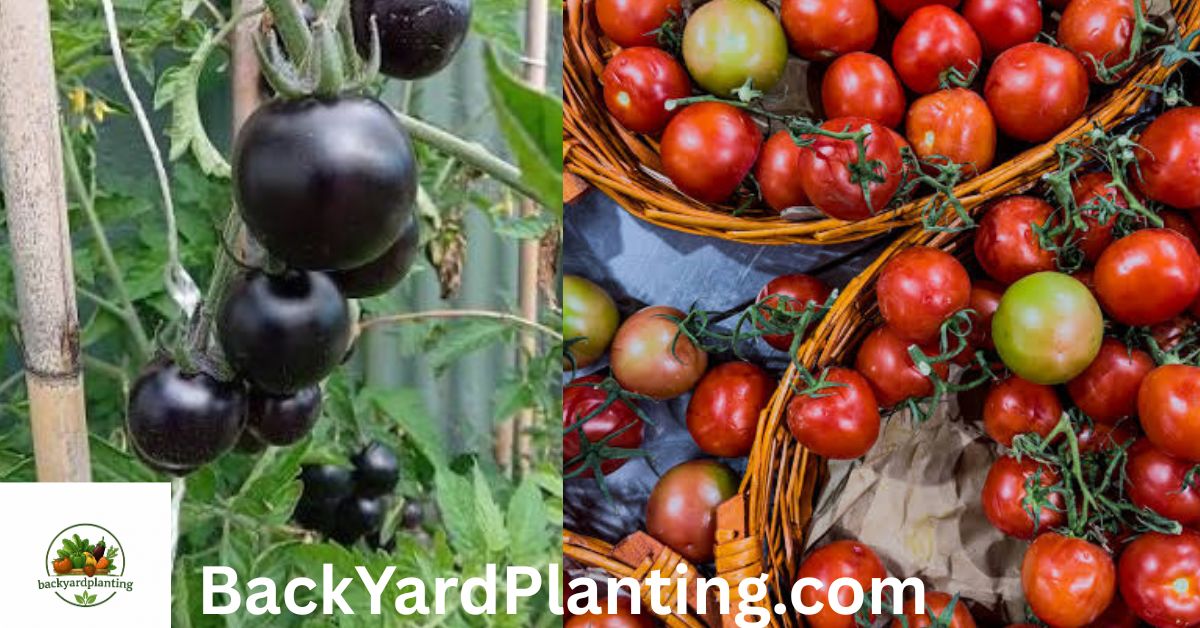
Imagine stepping into your garden and seeing clusters of glossy purple cherry tomatoes hanging from vibrant green vines. Their unusual color immediately catches the eye, but these tomatoes offer much more than visual appeal.
Purple cherry tomatoes have become increasingly popular among home gardeners, organic growers, chefs, and health-conscious consumers. Their sweet flavor, high antioxidant content, and unique appearance make them one of the most exciting cherry tomato varieties available today.
Whether you’re planning a vegetable garden, growing tomatoes in containers, or simply curious about these colorful fruits, this guide covers everything you need to know. You’ll learn how to grow purple cherry tomatoes successfully, discover the best varieties, understand their health benefits, avoid common growing mistakes, and find delicious ways to enjoy them.
What Are Purple Cherry Tomatoes?
Purple cherry tomatoes are small, bite-sized tomatoes that develop deep purple, blue-purple, or nearly black skin coloration due to naturally occurring plant pigments called anthocyanins.
Unlike traditional red cherry tomatoes, these specialty tomatoes combine:
- Anthocyanins
- Lycopene
- Vitamin C
- Vitamin A
- Potassium
- Dietary Fiber
Most purple tomato varieties have purple shoulders exposed to sunlight while the lower portion turns red when ripe.
They belong to the same tomato family as regular cherry tomatoes but stand out because of their nutritional profile and striking appearance.
Are Purple Cherry Tomatoes Natural?
Yes. Most purple cherry tomatoes available to home gardeners are produced through traditional plant breeding rather than genetic modification.
Plant breeders selected tomato varieties that naturally produce higher levels of anthocyanins, resulting in the beautiful purple coloration seen today.
Why Are Purple Cherry Tomatoes Purple?
The secret behind their color lies in anthocyanins, the same antioxidant compounds found in:
- Blueberries
- Blackberries
- Purple cabbage
- Eggplant skin
- Black raspberries
Sunlight Plays a Major Role
Purple pigmentation develops where the fruit receives direct sunlight.
This means:
- More sunlight = deeper purple color
- Less sunlight = lighter coloration
Gardeners often notice the top portion of the tomato becomes dark purple while shaded areas remain red or green.
This natural color variation is completely normal.
Health Benefits of Purple Cherry Tomatoes
One reason purple cherry tomatoes are gaining popularity is their impressive nutritional value.
Rich in Antioxidants
Anthocyanins help protect plant cells and may support overall health by reducing oxidative stress.
These compounds are often associated with:
- Healthy aging
- Cellular protection
- Reduced oxidative damage
Supports Heart Health
Purple cherry tomatoes contain:
- Potassium
- Lycopene
- Anthocyanins
These nutrients are commonly linked to cardiovascular wellness and healthy blood pressure support.
Boosts Immune Function
Vitamin C helps support the immune system and contributes to healthy skin and tissue repair.
Promotes Eye Health
The vitamin A content found in tomatoes supports healthy vision and eye function.
Low-Calorie Nutrient Density
Purple cherry tomatoes provide significant nutritional value while remaining low in calories, making them a healthy addition to most diets.
Best Purple Cherry Tomato Varieties
Not all purple cherry tomatoes are identical. Each variety offers slightly different flavors, colors, and growth habits.
Indigo Rose
One of the most famous purple tomatoes.
Features include:
- Dark purple skin
- Red flesh
- High anthocyanin content
- Slightly tangy flavor
Indigo Cherry Drops
A favorite among home gardeners because of its:
- High productivity
- Sweet flavor
- Excellent disease resistance
Dancing with Smurfs
Known for:
- Beautiful purple-red coloration
- Sweet taste
- Consistent yields
Blue Berries Tomato
Despite the name, it is a tomato.
Benefits include:
- Heavy fruit production
- Rich sweetness
- Strong visual appeal
Indigo Kumquat
Produces elongated cherry tomatoes with:
- Purple shoulders
- Sweet and tangy flavor
- Attractive appearance
How to Grow Purple Cherry Tomatoes Successfully
Growing purple cherry tomatoes is similar to growing standard cherry tomatoes, but attention to a few details can dramatically improve yields.
Start with Healthy Seedlings
Choose:
- Disease-resistant varieties
- Strong stems
- Dark green leaves
- Healthy root systems
Plant in Full Sun
Purple coloration develops best under direct sunlight.
Aim for:
- 6 to 8 hours daily
- Good airflow
- Minimal shade
Improve Soil Before Planting
Tomatoes perform best in fertile soil enriched with:
- Compost
- Aged manure
- Organic matter
Ideal soil pH:
- 6.0 to 6.8
Space Plants Properly
Proper spacing helps prevent disease.
Recommended spacing:
- 24 to 36 inches between plants
- 3 to 4 feet between rows
Ideal Growing Conditions for Maximum Production
Creating optimal conditions helps plants remain productive throughout the season.
Temperature Requirements
Purple cherry tomatoes thrive when temperatures remain between:
- 70°F and 85°F (21°C to 29°C)
Extreme heat may reduce fruit production.
Watering Schedule
Consistent watering prevents many common tomato problems.
Best practices:
- Water deeply
- Water early in the morning
- Avoid wetting leaves
- Use mulch around plants
Fertilization Strategy
During early growth:
- Use balanced fertilizer
During flowering and fruiting:
- Increase phosphorus
- Increase potassium
- Reduce excessive nitrogen
This encourages fruit production rather than excessive leaf growth.
Companion Plants and Plants to Avoid
Companion planting can improve tomato health and productivity.
Best Companion Plants
Basil
May improve garden biodiversity and pairs perfectly with tomatoes in the kitchen.
Marigolds
Help attract beneficial insects.
Garlic
Often planted near tomatoes to support a healthy garden environment.
Nasturtiums
Can attract pollinators and beneficial insects.
Plants to Avoid
Keep these away from tomatoes:
- Fennel
- Potatoes
- Corn
These plants may compete for nutrients or attract similar pests.
Common Problems and Solutions
Even experienced gardeners occasionally face challenges.
Why Are My Purple Cherry Tomatoes Not Turning Purple?
Common reasons include:
- Insufficient sunlight
- Young fruit
- Variety-specific coloration patterns
Most varieties develop their darkest pigmentation only when exposed to direct sun.
Blossom End Rot
Symptoms:
- Dark spots on fruit bottoms
Causes:
- Calcium imbalance
- Inconsistent watering
Fruit Cracking
Often occurs after heavy rain following dry conditions.
Prevent by maintaining consistent soil moisture.
Early Blight
Signs include:
- Brown leaf spots
- Yellowing foliage
Prevention:
- Good airflow
- Mulching
- Crop rotation
Aphids and Whiteflies
Control methods include:
- Neem oil
- Insecticidal soap
- Beneficial insects
Harvesting and Storing Purple Cherry Tomatoes
Knowing when to harvest significantly improves flavor.
Signs of Ripeness
Purple cherry tomatoes are ready when:
- Purple areas become deep and glossy
- Bottom portions turn red
- Fruits feel slightly soft
- They detach easily from the vine
Harvesting Tips
- Pick regularly
- Harvest during cooler morning hours
- Handle gently to avoid bruising
Storage Tips
Store freshly harvested tomatoes:
- At room temperature
- Away from direct sunlight
- Never refrigerate unless necessary
Refrigeration can reduce flavor and texture quality.
Delicious Ways to Use Purple Cherry Tomatoes
One of the greatest advantages of purple cherry tomatoes is their versatility.
Fresh Garden Salads
Their unique color creates visually stunning salads.
Roasted Tomatoes
Roasting enhances sweetness and concentrates flavor.
Pasta Recipes
Combine with:
- Olive oil
- Garlic
- Basil
- Parmesan cheese
Charcuterie Boards
Purple cherry tomatoes add vibrant color and freshness.
Healthy Snacks
Many gardeners enjoy eating them straight from the vine.
Homemade Salsa
Their sweet flavor works wonderfully in fresh salsa recipes.
Purple Cherry Tomatoes vs Red Cherry Tomatoes
| Feature | Purple Cherry Tomatoes | Red Cherry Tomatoes |
| Color | Purple and Red | Bright Red |
| Anthocyanins | High | Low |
| Lycopene | Present | High |
| Appearance | Unique | Traditional |
| Flavor | Sweet and Complex | Sweet and Tangy |
| Market Value | Premium | Standard |
Purple cherry tomatoes offer an excellent combination of beauty, flavor, and nutritional diversity.
Frequently Asked Questions
1. Are purple cherry tomatoes healthier than red cherry tomatoes?
Purple cherry tomatoes contain anthocyanins in addition to lycopene, providing a broader range of antioxidants compared to many traditional red varieties.
2. Can you eat purple cherry tomatoes raw?
Yes. They are commonly eaten fresh in salads, snacks, sandwiches, and charcuterie boards.
3. Why are my purple cherry tomatoes still green?
They may not be fully mature yet. Some varieties take several weeks to develop their characteristic purple coloration.
4. Can purple cherry tomatoes grow in containers?
Absolutely. A container with at least 5 gallons of soil and adequate sunlight can support healthy tomato growth.
5. How long does it take purple cherry tomatoes to mature?
Most varieties mature within 65 to 85 days after transplanting, depending on growing conditions and cultivar selection.
Conclusion
Purple cherry tomatoes are much more than a colorful garden novelty. They combine exceptional visual appeal with impressive nutritional benefits, delicious flavor, and strong garden performance.
Whether you choose Indigo Rose, Indigo Cherry Drops, Dancing with Smurfs, or another variety, these antioxidant-rich tomatoes can transform both your garden and your plate. With proper sunlight, fertile soil, consistent watering, and good garden practices, you can enjoy abundant harvests throughout the growing season.
For gardeners seeking something unique, productive, and healthy, purple cherry tomatoes are among the best specialty tomato varieties available today.
Leave a Reply