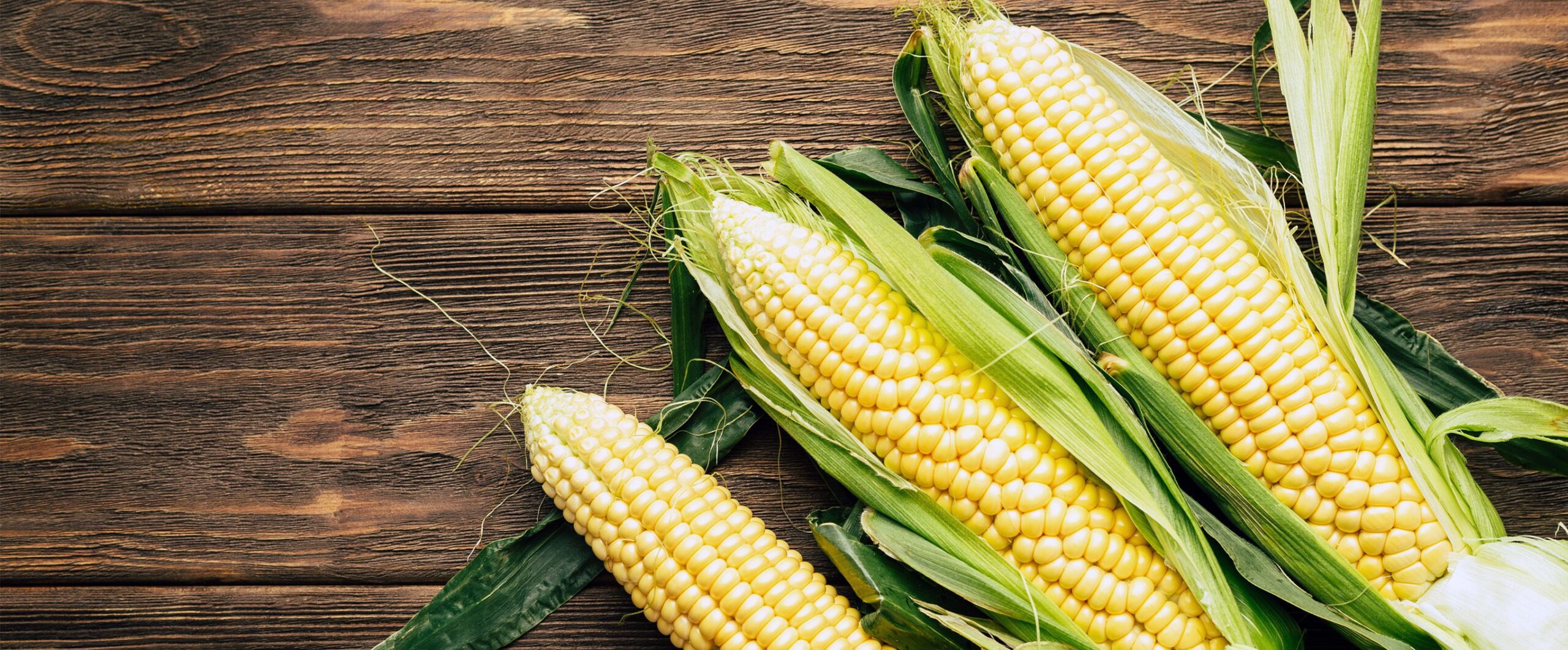
Corn is one of those crops people often take for granted. It appears on dinner plates, in animal feed, cooking oils, processed foods, and even products that have nothing to do with food. Because corn is so deeply connected to agriculture and manufacturing, a shortage can quickly become a much bigger issue than an empty shelf at the grocery store.
A corn shortage happens when the available supply of corn is not enough to meet demand. It can develop for many reasons, including poor weather, crop diseases, rising production costs, transportation problems, trade disruptions, and increasing global demand.
But what exactly causes a corn shortage, and how does it affect everyday life? More importantly, what can farmers, businesses, governments, and consumers do to reduce the risk?
Let’s take a closer look.
What Is a Corn Shortage?
A corn shortage occurs when corn production or available supplies fall below the amount needed by consumers, livestock producers, food manufacturers, and other industries.
The problem does not necessarily mean that there is absolutely no corn available. In many cases, corn is still being produced, but supplies become tight enough to push prices higher.
Corn is particularly important because it has many uses. It can be eaten directly, processed into ingredients, used as livestock feed, converted into ethanol, and incorporated into thousands of manufactured products.
That wide range of uses means that a disruption in corn supplies can have effects far beyond agriculture.
What Causes a Corn Shortage?
There is rarely just one reason behind a corn shortage. Usually, several factors come together.
1. Extreme Weather
Weather is one of the biggest risks facing corn production.
Corn requires suitable temperatures, sufficient moisture, and a reasonably stable growing season. Severe drought can leave crops without enough water, while excessive rain can delay planting, damage fields, or create conditions that encourage disease.
Heat waves can also affect pollination and grain development. When extreme weather occurs across a major growing region, the impact can be significant.
As climate patterns become less predictable, farmers may face greater uncertainty about when and where they can successfully grow corn.
2. Rising Farming Costs
Growing corn requires more than seeds and land. Farmers also need fertilizer, fuel, machinery, pesticides, irrigation, labor, and transportation.
When the costs of these inputs increase, producing each crop becomes more expensive. Some farmers may reduce the amount they plant if the expected return does not justify the cost.
Higher costs can therefore contribute to tighter supplies and higher corn prices.
3. Crop Diseases and Pests
Diseases, insects, and other agricultural pests can damage corn plants and reduce yields.
A serious outbreak can destroy part of a harvest or reduce the quality of the corn that reaches the market. Farmers can manage many threats through crop rotation, resistant varieties, monitoring, and other agricultural practices, but no growing system is completely protected.
4. Growing Global Demand
Corn demand continues to come from several directions.
It is an important feed crop for livestock, particularly poultry, pigs, and cattle. It is also used in food production, biofuels, starches, sweeteners, and industrial products.
When demand increases faster than production, existing stocks can become tighter. Even if farmers produce a large harvest, strong demand can quickly absorb available supplies.
5. Transportation and Supply Chain Problems
Corn has to move from farms to storage facilities, processing plants, feed mills, ports, and eventually customers.
Problems with roads, railways, shipping, fuel availability, or storage can interfere with that process.
A region might technically have enough corn, but transportation difficulties can make it difficult or expensive to move that corn where it is needed.
6. Trade Disruptions
International corn markets can also be affected by tariffs, export restrictions, political disputes, conflicts, and changes in trade policies.
Countries that depend heavily on imported corn can be particularly vulnerable when major suppliers reduce exports or when international shipping becomes more difficult.
How Does a Corn Shortage Affect People?
The effects of a corn shortage can spread through the economy in several ways.
Higher Food Prices
One of the most noticeable effects can be higher food prices.
Corn itself is used in many foods, but its influence goes much further. Since corn is an important livestock feed, a rise in corn prices can increase the cost of raising animals.
Those additional costs can eventually affect the prices of meat, eggs, dairy products, and other foods.
More Expensive Animal Feed
Livestock producers rely heavily on feed, and corn is an important ingredient in many feed mixtures.
When corn becomes more expensive, farmers and feed manufacturers may have to spend more to maintain their operations. Those costs can eventually move through the supply chain.
Impact on Biofuel Production
Corn is also used to produce ethanol in several major agricultural markets.
When corn supplies become tight, competition between food, animal feed, and biofuel industries can become more noticeable. This can create difficult decisions about how available supplies should be allocated.
Pressure on Farmers
A shortage does not automatically mean every farmer benefits from higher prices.
Farmers may receive better prices for their corn, but they can also face higher costs for fertilizer, fuel, equipment, land, and other inputs. A poor harvest can make the situation even harder.
Increased Pressure on Low-Income Households
Food price increases tend to hurt households with limited budgets the most.
When staple foods become more expensive, families may have to change what they buy, choose cheaper alternatives, or reduce spending in other areas.
How Can We Reduce the Risk of a Corn Shortage?
There is no single solution that can eliminate every risk. However, several strategies can make corn production and supply chains more resilient.
1. Invest in Better Agricultural Technology
Modern farming technology can help farmers make better decisions about planting, irrigation, fertilizer, and pest management.
Precision agriculture, satellite monitoring, improved machinery, and data-driven farming can help farmers use resources more efficiently while protecting yields.
2. Develop More Resilient Corn Varieties
Plant breeders are working to develop corn varieties that can better tolerate drought, heat, pests, and diseases.
More resilient varieties could help farmers maintain production when growing conditions become difficult.
3. Improve Water Management
Efficient irrigation and better soil-management practices can help farmers make better use of available water.
Practices such as conservation tillage, cover cropping, and improved soil health can also help fields retain moisture and reduce erosion.
4. Strengthen Storage and Transportation
Better grain storage can reduce post-harvest losses and help maintain supplies between harvest seasons.
At the same time, reliable roads, rail networks, ports, and other transportation infrastructure can make it easier to move corn from areas with adequate supplies to areas experiencing shortages.
5. Diversify Food and Feed Sources
Depending too heavily on one crop creates vulnerability.
Farmers and industries can explore alternative crops and feed ingredients where appropriate. Greater diversification can reduce pressure on corn when supplies become tight.
6. Build Strategic Reserves
Maintaining adequate grain reserves can provide a buffer during poor harvests or temporary supply disruptions.
Reserves cannot solve a long-term production problem, but they can give markets and communities valuable time to respond to short-term shortages.
7. Support Sustainable Farming
Healthy soil and responsible resource management can help farms remain productive over the long term.
Sustainable farming does not mean using one particular method everywhere. Instead, it means finding practical approaches that protect soil, water, biodiversity, and farm productivity while remaining financially realistic for farmers.
What Can Consumers Do?
Consumers cannot control global corn production, but they can make small choices that reduce pressure on their household budgets.
Planning meals, reducing food waste, comparing prices, buying seasonal products, and choosing affordable alternatives can help when food prices rise.
It is also useful to remember that food prices are influenced by many factors. A change in the price of corn does not automatically mean every food product will become more expensive by the same amount.
The Bigger Picture
A corn shortage is more than an agricultural problem. It can become a food, economic, and supply-chain issue because corn connects so many parts of the modern economy.
The good news is that shortages are not inevitable. Better farming practices, stronger infrastructure, improved crop varieties, responsible resource management, and more resilient supply chains can all help reduce vulnerability.
The challenge is preparing before a serious shortage occurs rather than waiting until supplies are already tight.
Frequently Asked Questions About Corn Shortage
1. What causes a corn shortage?
A corn shortage can be caused by drought, excessive rainfall, extreme temperatures, crop diseases, pests, high production costs, transportation problems, trade disruptions, and rising demand. Often, several of these factors occur at the same time.
2. Does a corn shortage make food more expensive?
It can. Corn is used directly in food products and indirectly as livestock feed. When corn prices rise, the increased cost can move through parts of the food supply chain and contribute to higher prices.
3. Why is corn so important?
Corn has many uses. It is consumed as food, used as animal feed, processed into ingredients and industrial products, and used in biofuel production. Its wide range of applications makes it an important agricultural commodity.
4. Can farmers prevent a corn shortage?
Individual farmers cannot prevent a global shortage by themselves, but they can reduce production risks through practices such as crop diversification, improved soil management, efficient water use, pest management, and selecting varieties suited to local conditions.
5. How can the world prepare for future corn shortages?
Preparing for future shortages requires a combination of better agricultural technology, resilient crop varieties, improved infrastructure, efficient water management, stronger grain storage, diversified food systems, and policies that support sustainable agricultural production.
Conclusion
A corn shortage can begin with something as simple as a failed harvest, but its consequences can reach far beyond the farm. Weather problems, rising costs, pests, transportation disruptions, trade issues, and growing demand can all put pressure on corn supplies.
Because corn plays such a major role in food, animal feed, biofuels, and manufacturing, keeping its supply stable is important for both farmers and consumers.
There is no magic solution. The best approach is to build a more flexible and resilient agricultural system—one that can handle difficult weather, changing demand, rising costs, and unexpected disruptions.
With smarter farming methods, stronger supply chains, improved crop varieties, and better resource management, the risks associated with future corn shortages can be reduced. The goal is not simply to grow more corn, but to create a food system capable of staying reliable when conditions become challenging.
Leave a Reply